When Your Child Struggles to Express What They Feel
Is your child struggling with anxiety, tantrums, or withdrawal? Have they experienced trauma, loss, or a major life change? Are you seeing behavioral issues at home or school that don't respond to consequences or conversations?
Children don't have the verbal capacity or emotional maturity to "talk through" their problems the way adults do. Play is children's natural language—it's how they make sense of their world, process emotions, and work through difficult experiences. Play therapy harnesses this natural process with therapeutic guidance to help children heal.
As a Play Therapy trained LMFT with expertise in trauma (Brainspotting), grief (Grief Recovery Method), and creative expression (MA in Drama Therapy), I provide developmentally appropriate, trauma-informed therapy that helps children and teens process emotions, build resilience, and develop healthy coping skills—all through the power of play.
What is Play Therapy?
Play therapy is a developmentally appropriate therapeutic approach that uses play—children's natural medium of expression—to help them communicate feelings, explore relationships, process traumatic events, and learn new behaviors. While it looks like play, it's a structured therapeutic intervention with specific goals and techniques.
Through play, art, storytelling, sand tray, puppets, and games, children can express complex emotions and experiences they don't have words for. The therapist carefully observes play themes, reflects feelings, sets therapeutic limits, and guides the child toward healing through metaphor and symbolic play.
Why Play Therapy Works
- Developmentally Appropriate: Meets children where they are, not where adults think they should be
- Non-Threatening: Reduces anxiety by using play instead of direct questioning
- Symbolic Expression: Allows children to process difficult experiences through metaphor and distance
- Empowering: Gives children control and mastery in a safe therapeutic environment
- Trauma-Informed: Processes trauma without requiring verbal re-telling of painful events
When to Consider Play Therapy
Emotional & Behavioral
- Anxiety, fears, or phobias
- Depression or withdrawal
- Anger, aggression, or tantrums
- Difficulty regulating emotions
- Low self-esteem
- Social skills challenges
Trauma & Loss
- Abuse or neglect (physical, emotional, sexual)
- Witnessing domestic violence
- Death of parent, sibling, or loved one
- Medical trauma or hospitalization
- Natural disaster or community violence
- Attachment disruptions
Life Transitions
- Divorce or separation of parents
- Moving or changing schools
- Birth of new sibling
- Adoption or foster care placement
- Parent deployment (military families)
- Family illness or stress
Developmental Concerns
- Regression (bedwetting, thumb-sucking)
- Sleep difficulties or nightmares
- Eating issues
- Separation anxiety
- School refusal
- Peer relationship problems
Age Ranges
Young Children (Ages 3-7)
Play-based approaches are primary. Limited verbal processing. Focus on symbolic play, art, sand tray, and puppets.
School-Age (Ages 8-12)
Blend of play and talk. Board games, creative projects, storytelling. More verbal processing with play as support.
Early Teens (Ages 13-14)
Modified play techniques. Creative arts, drama, games. More traditional therapy with creative elements.
Older Teens (Ages 15-17)
Primarily talk therapy with creative/expressive techniques when helpful. Drama therapy techniques often effective.
What Happens in Play Therapy?
The Playroom
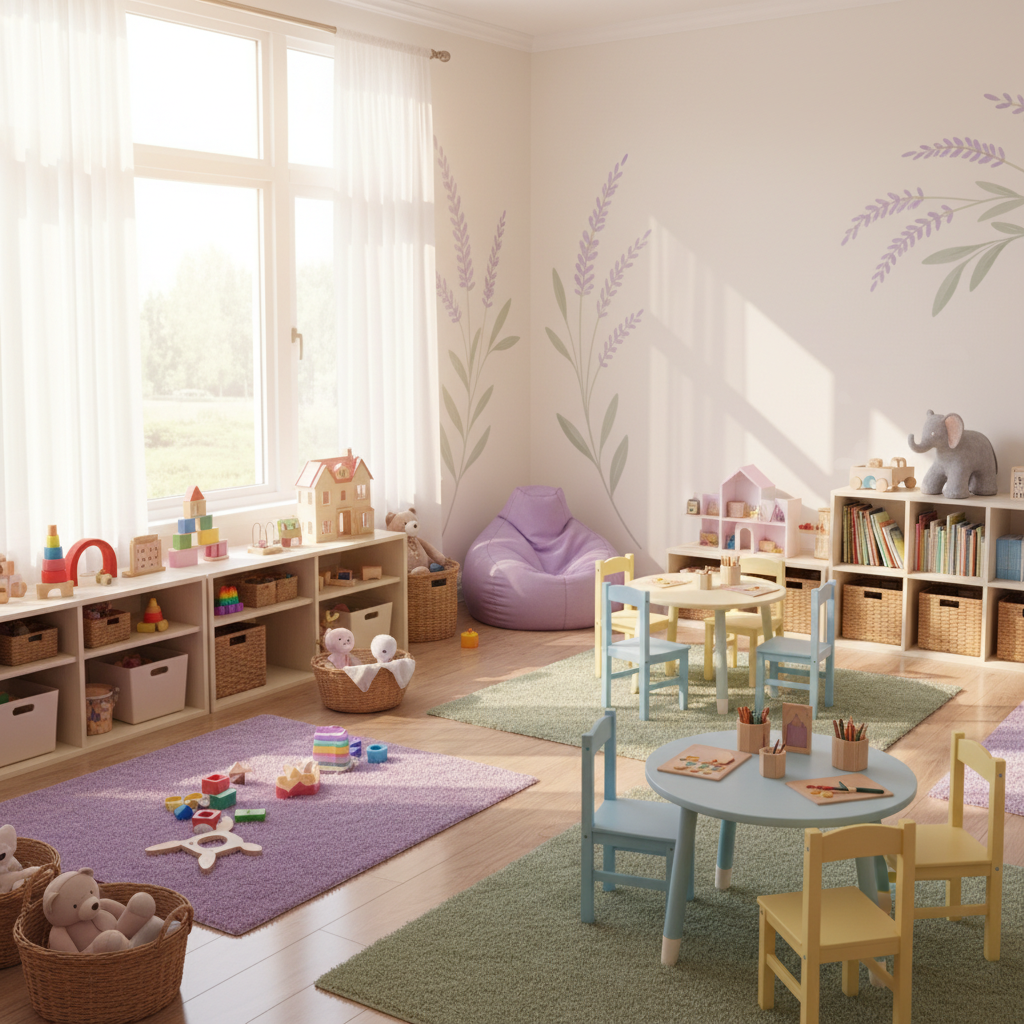
The therapeutic playroom is carefully designed with specific toys and materials chosen for their therapeutic value. You'll find art supplies, sand trays, puppets, dolls, building blocks, dress-up items, and games—all tools for emotional expression and healing.
Session Structure
Initial Session (Parent Consultation)
We meet without your child to discuss your concerns, family history, and treatment goals. I'll explain the play therapy process, answer questions, and begin building our collaborative relationship.
Child Sessions (Ongoing)
Sessions are typically 45-50 minutes. Younger children (under 5) may have shorter sessions. The child engages in a combination of:
- Child-Directed Play: The child chooses activities while I observe, reflect, and facilitate
- Therapist-Guided Activities: Structured interventions targeting specific therapeutic goals
- Creative Expression: Art, sand tray, storytelling, or role-play to process emotions
- Skill-Building: Games and activities that teach coping skills, emotional regulation, or social skills
Parent Check-Ins (Regular)
Every 4-6 weeks, we meet to review progress, discuss what you're seeing at home, and adjust the treatment plan. You're an essential part of your child's healing—parent involvement significantly increases therapy effectiveness.
Family Sessions (When Appropriate)
Family play therapy sessions may be included to address family dynamics, improve communication, or support major transitions. These sessions help the whole family heal together.
Play Therapy Techniques I Use
- Sand Tray Therapy: Children create scenes in sand to express inner worlds and process trauma
- Art Therapy: Drawing, painting, and crafts for non-verbal emotional expression
- Puppet/Doll Play: Children project feelings onto characters to explore relationships safely
- Storytelling & Books: Therapeutic stories that reflect children's experiences
- Games: Board games that teach emotional regulation, frustration tolerance, and social skills
- Drama Techniques: Role-play, improvisation, and creative drama (adapted from my Drama Therapy training)
- Brainspotting (Child-Adapted): Gentle trauma processing for older children and teens
What Parents Should Know
- • Play therapy looks like play, but it's structured therapeutic work
- • Children often can't tell you what happens in sessions—that's normal
- • Healing happens at the child's pace, not on an adult timeline
- • You may see temporary behavior changes as emotions surface
- • Your involvement and patience are crucial to your child's progress
Frequently Asked Questions
What is play therapy?
Play therapy is a therapeutic approach that uses play—children's natural language—to help them express feelings, process experiences, and develop coping skills. Through play, art, storytelling, and games, children can communicate what they're experiencing without having to put complex emotions into words. It's especially effective for trauma, anxiety, behavioral issues, and major life transitions.
What age range is appropriate for play therapy?
Play therapy is most effective for children ages 3-12, with developmentally adapted approaches for teens 13-17. Younger children who are pre-verbal or have limited verbal skills particularly benefit from play-based expression. Teens often benefit from a blend of play therapy techniques and traditional talk therapy.
How is play therapy different from just playing?
While it looks like play, play therapy is a structured therapeutic intervention guided by a trained therapist. The therapist uses specific techniques to help children process trauma, develop emotional regulation, practice social skills, and build resilience. Every activity has therapeutic purpose, even when it appears spontaneous. The playroom is carefully designed to facilitate healing.
What happens in a play therapy session?
Sessions typically include a combination of child-directed play (where the child leads), therapist-directed activities (structured interventions), and creative expression through art, sand tray, puppets, dolls, games, or storytelling. The therapist observes play themes, reflects feelings, and guides the child toward healing through metaphor and symbolic play. Parent consultations happen regularly.
Do parents stay in the room during play therapy?
For very young children (under 5) or children with severe separation anxiety, parents may initially stay in the room. For most children, parents wait outside while the child and therapist work together—this creates a safe space for the child to express freely. However, parents are active participants through regular parent consultations and, when appropriate, family play therapy sessions.
How long does play therapy take to work?
The timeline varies based on the child's needs, the severity of issues, and family support. Some children show improvement within 8-12 sessions for specific issues like adjustment to divorce. Complex trauma or significant behavioral issues may require 6-12 months or longer. Regular progress reviews with parents ensure the treatment plan stays aligned with the child's needs.
Can play therapy help with trauma in children?
Yes. Play therapy is one of the most effective approaches for childhood trauma because it doesn't require children to verbally recount traumatic events. Through symbolic play, children can process and integrate traumatic experiences at their own pace. Combined with trauma-focused techniques like Brainspotting (adapted for children), play therapy helps kids heal without re-traumatization.
What training does Megan have in play therapy?
Megan has specialized Play Therapy training and integrates play-based approaches with her expertise in trauma (Brainspotting), grief (Grief Recovery Method), and creative arts (MA in Drama Therapy). As an LMFT with 9+ years of clinical experience, she brings developmental understanding, trauma-informed care, and family systems perspective to her work with children and teens.
Why Choose Megan for Play Therapy in Oakland?
As a Play Therapy trained LMFT with specialized expertise in trauma, grief, and creative arts, I bring a comprehensive, developmentally-informed approach to working with children and teens. My integration of play therapy with Brainspotting (for trauma), Grief Recovery Method (for loss), and Drama Therapy (for creative expression) provides powerful, multi-modal healing.
I understand that your child's struggles affect the whole family. My family systems background (LMFT) means I work collaboratively with parents and, when appropriate, involve the entire family in the healing process. You're not just dropping your child off—we're partners in supporting your child's emotional health.
Specialized Training
- Play Therapy trained
- Licensed Marriage & Family Therapist
- MA in Drama Therapy (CIIS)
- Certified Brainspotting Practitioner
- Certified Grief Recovery Specialist
Integrated Approach
- Trauma-informed play therapy
- Brainspotting for child trauma
- Grief work for loss and transitions
- Drama therapy for teens
- Family systems perspective
Child-Focused Expertise
- Ages 3-17 developmental knowledge
- Attachment-informed care
- Trauma-sensitive approaches
- Behavioral and emotional regulation
- Parent coaching and support
Oakland & Bay Area
- In-person in Oakland
- Telehealth for teens
- Culturally sensitive practice
- LGBTQ+ affirming for teens
- Diverse family structures welcomed
Help Your Child Heal Through Play
Give your child the support they need to process emotions and build resilience.
Schedule Parent ConsultationServing Oakland, Berkeley, Alameda, and the greater Bay Area